Elder Ballou Cemetery, Cumberland, Rhode Island
Article By Chasing Yesterday Investigations Aug. 28 2024
Elder Ballou Cemetery: A History of Mystery and Hauntings
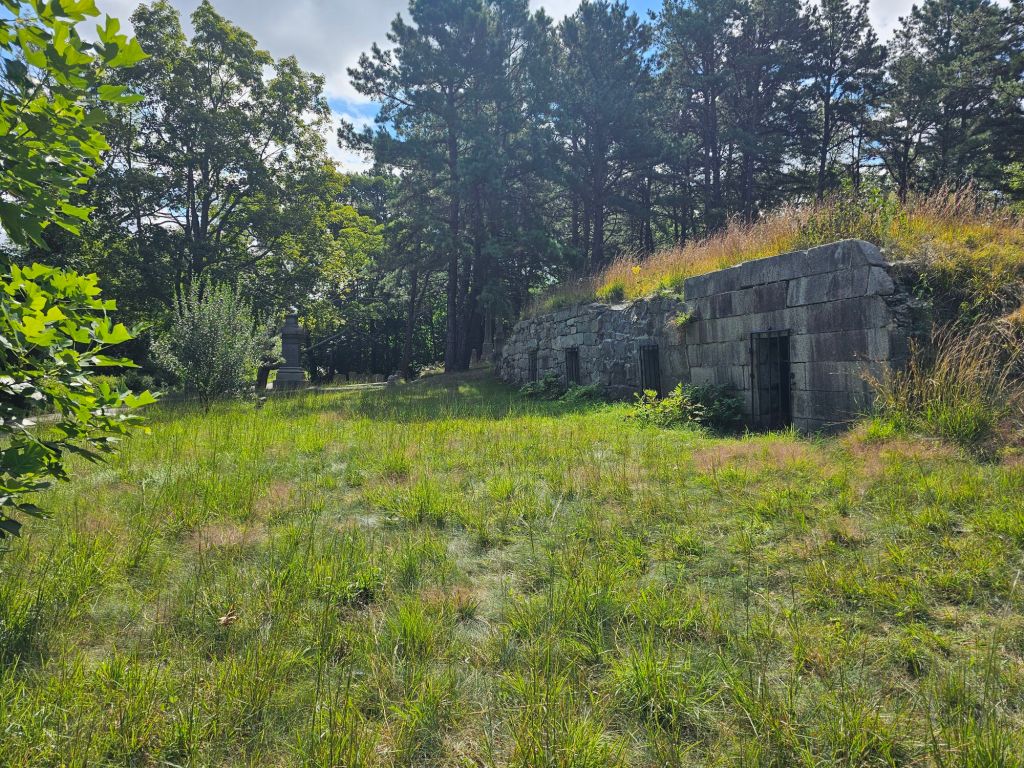

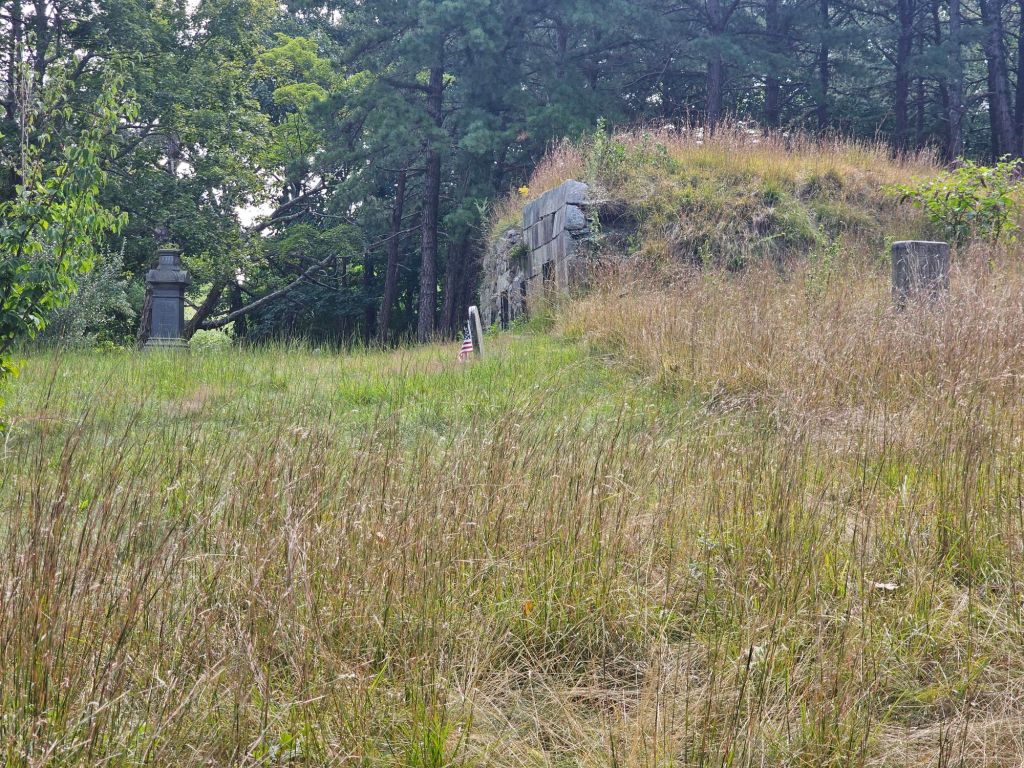
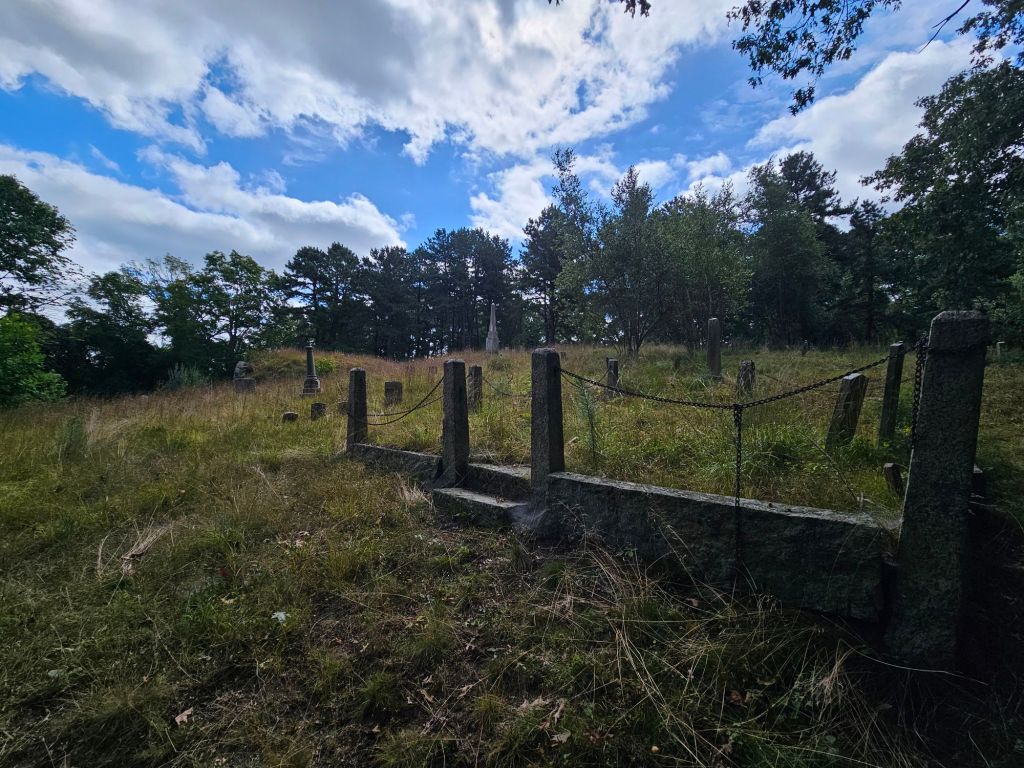
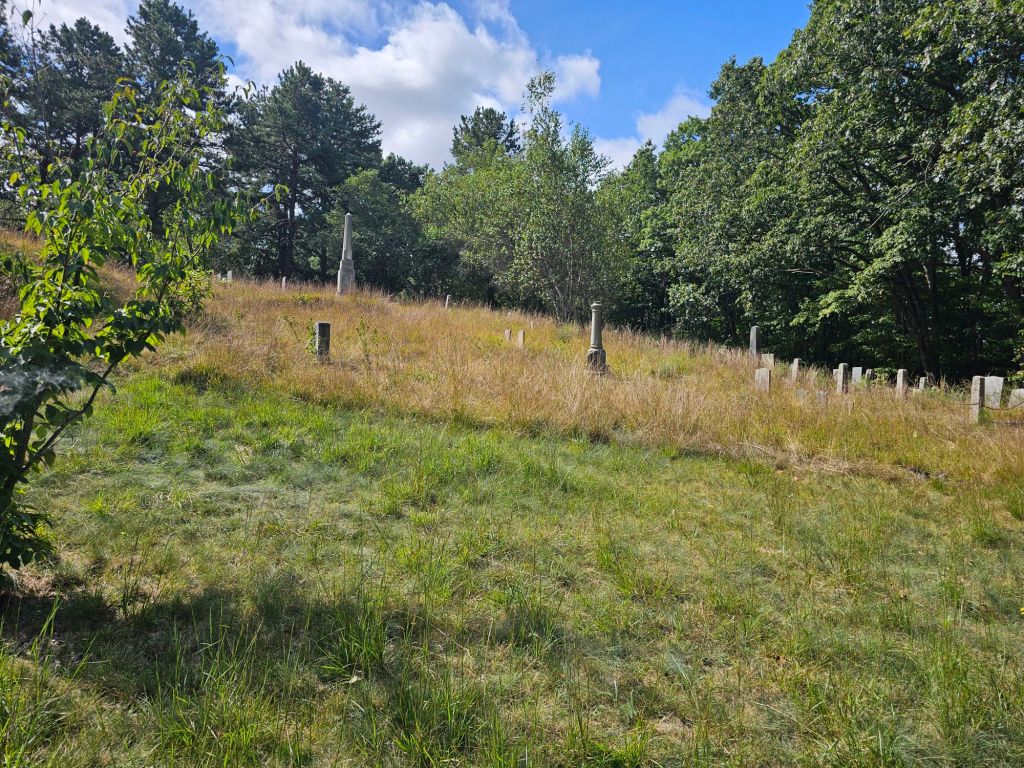

Nestled in Cumberland, Rhode Island, the Elder Ballou Cemetery, officially designated as Rhode Island Historic Cemetery #27, is more than just a burial ground; it’s a place where history and the supernatural converge. With around 500 burial plots, this cemetery is deeply intertwined with the story of the influential Ballou family and the legends that have persisted for centuries.
The Ballou Legacy
The cemetery’s roots date back to the 18th century, tracing its lineage to Mathurian Ballou, who settled in the area after arriving from England. His descendants, particularly James Ballou Sr., established the family’s prominence by acquiring land and wealth. James gifted land in Cumberland to his sons, creating a legacy that would last for generations.
In 1733, Obadiah Ballou, a descendant of James, made use of the land’s iron deposits, leasing it for mining. Years later, in 1749, he set aside a specific portion of his land as a burial plot, marking the foundation of what would become Elder Ballou Cemetery. This act was meant to provide a final resting place for his family, friends, and neighbors, securing a communal connection to the land.
Building a Community
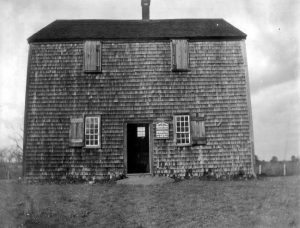
Obadiah’s son, Abner Ballou Sr., played a pivotal role in expanding the family’s influence by fostering community ties. He became the first Reverend of the First Baptist Church of Cumberland, demonstrating the Ballou family’s commitment to both spiritual and civic life. In 1774, Abner Sr. acquired more land from James Ballou Sr. to build a meeting house, situated on what is now Elder Ballou Meeting House Road near West Wrentham Road in Cumberland, Rhode Island. This meeting house became a hub for worship, community discussions, and local gatherings, serving as a cornerstone of the neighborhood’s social structure.
The meeting house also bore witness to the Ballou family’s engagement in broader historical events. During the Revolutionary War, the Ballou family contributed significantly to the colonial cause. They maintained a war beacon at Beacon Pole Hill, one of four such beacons across Rhode Island, which was used to signal warnings of British troop movements. When Noah Ballou, who was responsible for overseeing the beacon, left to join the fight, his 13-year-old son, Eliel, was entrusted with the task. Eliel rose to the occasion, even taking it upon himself to organize food supplies for colonial forces in Bristol after seeing a signal from Providence. His actions underscored the Ballou family’s unwavering dedication to their community and the fight for independence.
Unfortunately, the original meeting house that Abner Sr. helped establish met a tragic end. Around 1962, nearly two centuries after it was built, the building was destroyed by a fire, believed to have been the work of vandals. The loss of the meeting house marked the end of a historic structure that had been a testament to the Ballou family’s legacy and the early community spirit of Cumberland. Today, Elder Ballou Meeting House Road remains a reminder of this once-vital center, its name commemorating the family that contributed so much to the area’s early development.
Changing Hands
Over time, the land was passed down through the Ballou family, from Abner Sr. to his son and then to his grandson, before being sold to James B. Adams in 1857. This marked the end of the Ballou family’s direct ownership of the cemetery, but their legacy lived on through the land they developed and the community they shaped.
The Paranormal Presence
Though deeply historical, the Elder Ballou Cemetery has also earned a reputation for being a paranormal hotspot. Ghostly encounters at the cemetery date back to the early 19th century when Obadiah Ballou reported seeing a gray, human-shaped shadow in his house. The figure, he claimed, was a ghost of someone who had died tragically on the property. This tale set the stage for other supernatural reports over the years, as visitors have described seeing a similar shadowy figure wandering through the cemetery, seemingly searching for something.
The legends don’t end there. One of the most chilling tales associated with the cemetery is the story of “Freddy Fingers,” a man whose house was allegedly burned down in the early 1800s with his sick daughter inside. According to local folklore, Freddy’s attempts to save her failed, and in a tragic turn, he vanished for months. When the boys responsible for setting the fire were later found dead under mysterious circumstances, townspeople began to suspect Freddy. They eventually found him emerging from the cellar of his burned home, covered in dried blood, and he was hanged on the spot. While no historical records substantiate this tale, it has become an enduring part of the cemetery’s dark mythology.
Modern-Day Encounters
Even in recent years, the cemetery continues to draw attention from those curious about the paranormal. Longtime locals like Kyle have shared their own eerie experiences. As a teenager, Kyle snuck into one of the cemetery’s mausoleums and felt a distinct sensation of someone grabbing his shoulder, as if a friend was trying to get his attention. Years later, when he and Kim returned to the site with EMF detectors, they picked up unusual activity, reinforcing the cemetery’s reputation as a place where the veil between worlds seems thin.
A Site of Historical and Paranormal Intrigue
Elder Ballou Cemetery is a reflection of the past, from the days of the Ballou family’s prominence to the whispers of ghostly apparitions that persist today. The tales of gray shadows, the legends of Freddy Fingers, and modern-day paranormal encounters all contribute to its mystique, making it a unique spot where history and the supernatural coexist.
Whether you are drawn by the allure of its historical significance or the prospect of experiencing something otherworldly, Elder Ballou Cemetery stands as a place where Rhode Island’s past is preserved—not just in stone, but in stories that echo through the centuries.
Follow our Socials for more!
Sources
Rhode island historical society
Subscribe
Enter your email below to receive updates.
 Chasing Yesterday Investigations